FOOD · GUIDE
Japanese Convenience Store Snacks: What to Try
UPDATED JUL 2026 · 4 MIN READ
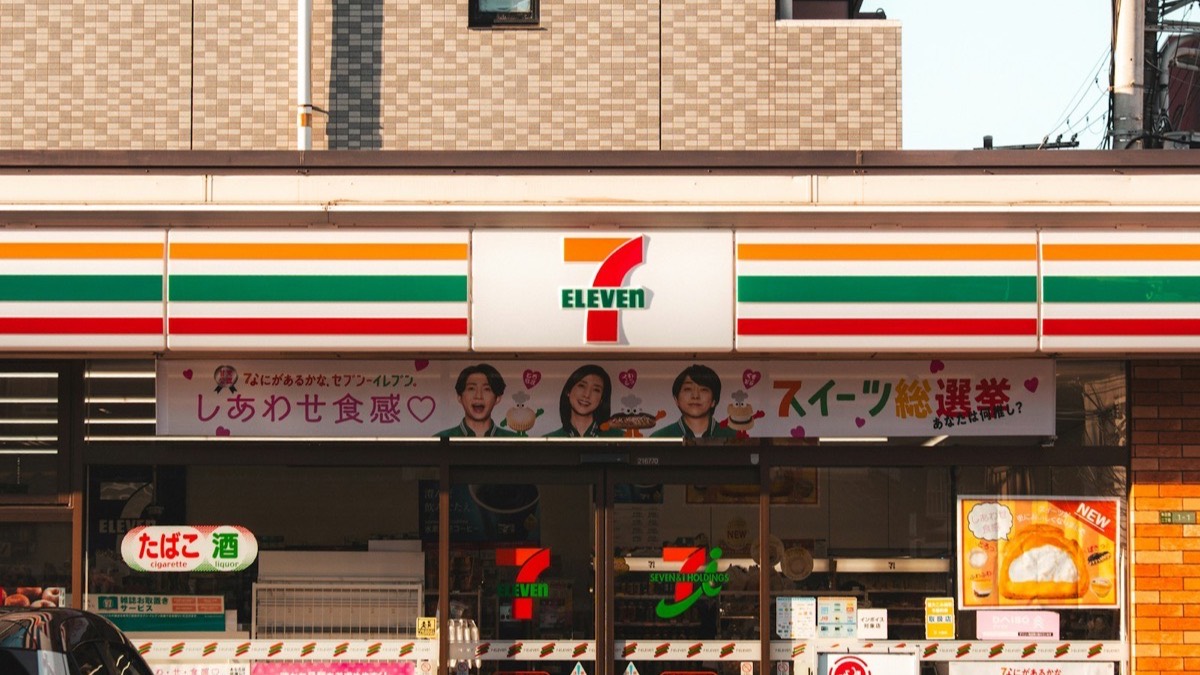
The konbiniis the single most underrated part of visiting Japan. Fresh food delivered several times a day, a full meal for under $7, and shelves of snacks you can't get anywhere else. Here's what to grab — and which chain does what best.
Found a snack you want to take home?
Scan it in the app — we'll tell you if it's customs-safe, then save it to your list.
Scan it, save it, ship it →The big three, and what each does best
7-Eleven
Best overall food quality, and the most reliable ATM for foreign cards.
GET: Egg salad sandwich, onigiri, gold-label bread, private-label sweets.
Lawson
Best fried chicken and desserts. Natural Lawson branches lean healthier.
GET: Karaage-kun fried chicken, premium roll cake, Basque cheesecake.
FamilyMart
Best hot snacks at the counter and a cult clothing line.
GET: Famichiki fried chicken, sweet potato snacks, seasonal drinks.
What to actually try
Onigiri (rice balls)
Tuna mayo, salmon, or pickled plum. The packaging unwraps in a specific 1-2-3 order that keeps the seaweed crisp — follow the numbers.
BALLPARK: ¥130–250 (~$1–2)
Egg salad sandwich
The famous one. Impossibly soft crustless bread and egg salad that has no business being this good for the price.
BALLPARK: ¥250–350 (~$2–3)
Hot counter fried chicken
Famichiki at FamilyMart, Karaage-kun at Lawson. Ordered by pointing at the case next to the register.
BALLPARK: ¥200–280 (~$1–2)
Oden (winter only)
A simmering pot of fish cakes, daikon, and eggs by the register in colder months. You point, they ladle.
BALLPARK: ¥100–200 (~$1) per piece
Convenience store desserts
Roll cakes, puddings, mochi, and seasonal specials that would be patisserie-priced at home.
BALLPARK: ¥200–450 (~$1–3)
Bottled tea & coffee
Unsweetened green tea, barley tea, and canned coffee — including hot cans in winter from a heated shelf.
BALLPARK: ¥100–200 (~$1)
Japan-only KitKats & snacks
Rotating flavors you'll never see abroad. These are the ones worth putting in your suitcase.
BALLPARK: ¥150–500 (~$1–3)
Prices are rough guides only and vary by chain, region, and season.
How to use a konbini like a local
They'll heat it for you. Hand over a bento or noodles and the cashier will ask if you want it warmed — nod, and they microwave it at the counter. Chopsticks, spoons, and wet wipes come in the bag.
Hot drinks come from a heated shelf in winter — canned coffee and tea served genuinely hot. Seasonal items rotate constantly, so a flavor you loved may be gone in three weeks. Buy it when you see it.
Konbini ATMs are your friend.They're typically the most reliable place in Japan to withdraw cash on a foreign card, and they're open when banks aren't.
What's worth taking home
Sealed, shelf-stable snacks travel fine: Japan-only KitKats, Pocky variants, senbei, and instant noodles. Skip anything refrigerated, and be careful with meat-based items — those are precisely what gets refused at the border. Our customs guide covers exactly what makes it through.
Scan it, save it, ship it
Point your phone at any Japanese product and Tokyo Concierge tells you what it is in English, what it costs, and whether you can bring it home — then saves it to your list so you can have it delivered or shipped.
Scan it, save it, ship it →Frequently asked questions
Is konbini food actually good?
Yes, genuinely. Japanese convenience stores operate on tight rotation with fresh deliveries multiple times a day, so sandwiches, rice balls, and bento are made to be eaten that day — not sitting under a heat lamp for a week.
How much does a konbini meal cost?
A rice ball runs about ¥130–250 (roughly $1–2), a sandwich ¥250–450 (~$2–3), and a full bento ¥500–800 (~$3–5). You can eat a decent meal for under ¥1,000 (~$7), which is why it's the default lunch for half of working Tokyo.
Can I pay with a foreign credit card?
Almost always, yes — major convenience store chains take international cards, IC cards like Suica and Pasmo, and the common QR wallets. Konbini ATMs are also the most reliable place to withdraw yen with a foreign card.
Which konbini snacks should I take home?
Anything sealed and shelf-stable: Japan-only KitKats, Pocky variants, senbei rice crackers, and instant noodles. Skip anything refrigerated or meat-based — those are exactly what gets refused at customs.
Do convenience stores have English menus?
Not menus, but most packaging has photos, and the hot-food counters have picture labels. Payment screens at major chains often have an English toggle. Pointing works fine.