SOUVENIRS · GUIDE
Tokyo Souvenirs: What to Actually Bring Home
UPDATED JUL 2026 · 5 MIN READ
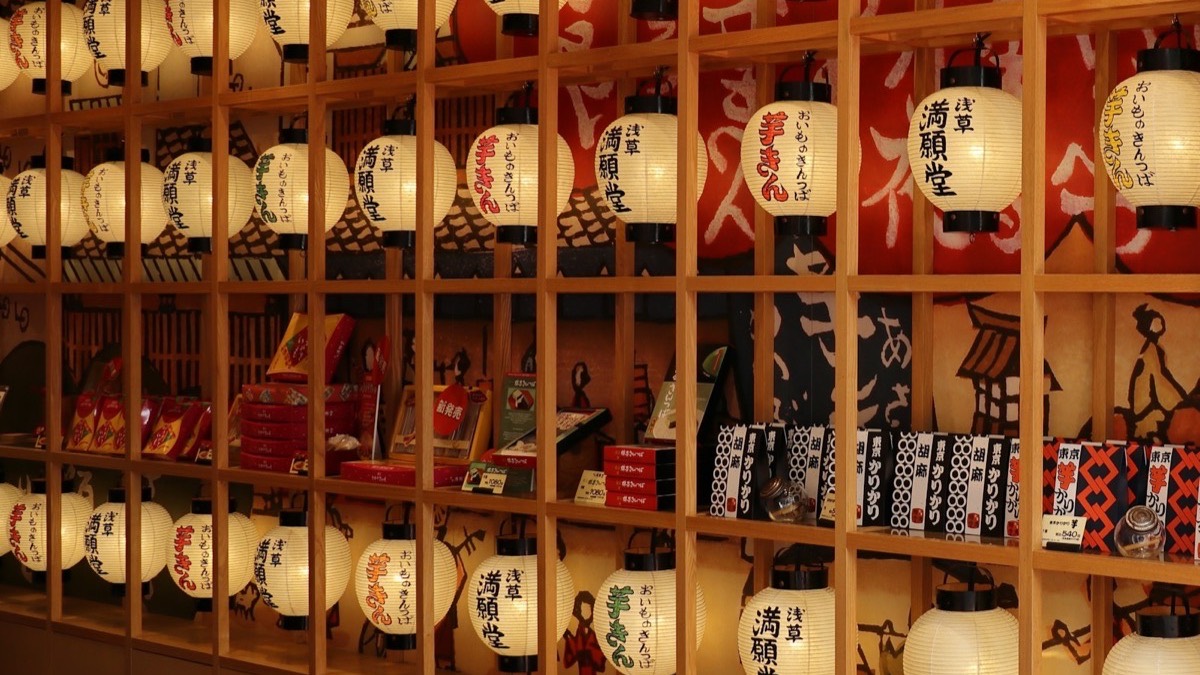
Japan takes souvenirs — omiyage— seriously, which is why there's an entire retail industry built around beautifully boxed gifts. The trick is knowing what survives a 12-hour flight, what people actually use, and what's just a landmark keychain with a markup.
Don't carry gifts around all day.
Save what you want in the app — we buy it and deliver to your hotel, or ship it straight home.
Save your list, we shop it →Match the gift to the person
For coworkers and big groups:individually wrapped sweets. A single box of regional KitKats or senbei splits into a dozen gifts and costs less than one “real” present. This is exactly what boxed omiyage is designed for.
For close friends:stationery, character goods, skincare, tenugui. Personal, light, and things they'd never buy for themselves.
For yourself:the knife, the ceramics, the tea. The items you'll use for years and regret not buying.
The list that's worth the suitcase space
Japan-only KitKats & regional sweets
Matcha, sake, hojicha, and prefecture-exclusive flavors. Multipacks split into individual gifts, which makes them the default office souvenir.
BALLPARK: ¥300–1,500 (~$2–10)
Stationery
Uni Kuru Toga pencils, Zebra Mildliners, Pilot Frixion erasable pens, Midori notebooks. Weightless, cheap, and the gift people actually keep using.
BALLPARK: ¥100–1,200 (~$1–8)
Tenugui & furoshiki cloths
Hand-dyed cotton cloths that fold flat to nothing. Frame them, use them as wrapping, or as a towel. The best weight-to-impressiveness ratio in Japan.
BALLPARK: ¥800–2,500 (~$5–17)
Ceramics & chopsticks
Sake cups, matcha bowls, lacquered chopstick sets. Beautiful and personal — but fragile, so pack accordingly or ship them.
BALLPARK: ¥1,000–8,000 (~$7–53)
Kitchen knives
A mid-range santoku costs a fraction of export pricing. The single most-used souvenir most people bring home. Checked luggage only.
BALLPARK: ¥3,000–15,000 (~$20–100)
Character goods
Sanrio, Pokémon, Ghibli, Chiikawa. Plush, keychains, and stationery sets that are far cheaper and far better stocked here than abroad.
BALLPARK: ¥500–4,000 (~$3–27)
Matcha & tea
Culinary matcha tins, sencha, hojicha. Light, flat, and the price gap versus specialty shops abroad is enormous.
BALLPARK: ¥500–3,000 (~$3–20)
Skincare
Sheet masks and sunscreen make excellent gifts for anyone into beauty — and they're a fraction of the imported price back home.
BALLPARK: ¥400–2,500 (~$3–17)
Prices are rough guides only — they vary by shop, size, and exchange rate.
What to skip
✕Anything perishable — fresh wagashi and cream-filled sweets rarely survive the flight.
✕Meat products, including jerky and pork-based snacks: commonly refused at customs.
✕Bulky homeware you'll resent carrying through three airports.
✕Generic 'I ♥ Tokyo' merchandise from landmark stalls — mostly imported, always overpriced.
✕Duty-free electronics you haven't price-checked against home; the deal often isn't there.
Where to buy
Depachika (department store food basements, like Isetan Shinjuku or Tokyu Food Show in Shibuya) are the gold standard for gift-boxed sweets — immaculate packaging, staff who gift-wrap for free. Tokyu Hands and Loft for design goods and stationery. Don Quijote for snacks and character goods at all hours (see our Donki guide). Station gift shops at Tokyo Station and Haneda for last-minute regional boxes.
Souvenir shopping, without the bags
Scan or save what you want as you browse. Tokyo Concierge buys it and delivers to your hotel — or ships the whole haul home so you fly back with an empty suitcase.
Save your list, we shop it →Frequently asked questions
What's the best cheap souvenir from Tokyo?
Stationery and Japan-only snacks. Pens, Mildliners, and character notebooks run ¥100–800 (about $1–5), weigh nothing, and are genuinely nicer than what people have at home. For a team at work, a multipack of regional KitKats splits into a dozen gifts.
What souvenirs are actually made in Japan?
Check the box for 日本製 (Made in Japan). Ceramics, knives, tenugui cloths, incense, and most stationery brands are domestic. Cheap trinkets near tourist sites often aren't — if it matters to you, buy from department stores or specialty shops rather than souvenir stalls.
Can I bring Japanese snacks and food home?
Commercially packaged, shelf-stable snacks are generally fine for personal use in most countries. Meat products are the common problem and are frequently refused. Always declare food on your customs form — declaring costs nothing, failing to declare is what gets penalized.
How do I get fragile souvenirs home in one piece?
Ceramics and glassware need to be in the middle of your checked bag, wrapped in clothes, not in a carry-on that gets jammed into an overhead bin. For anything genuinely expensive or delicate, shipping it separately with proper packing is safer than gambling on baggage handling.
Where do locals buy omiyage?
Department store basements (depachika) for beautifully boxed sweets, station gift shops for regional specialties, and Tokyu Hands or Loft for design goods. All three beat the generic souvenir shops around tourist landmarks on both quality and price.