DINING · GUIDE
How to Get a Tokyo Restaurant Reservation (Even in English)
UPDATED JUL 2026 · 4 MIN READ
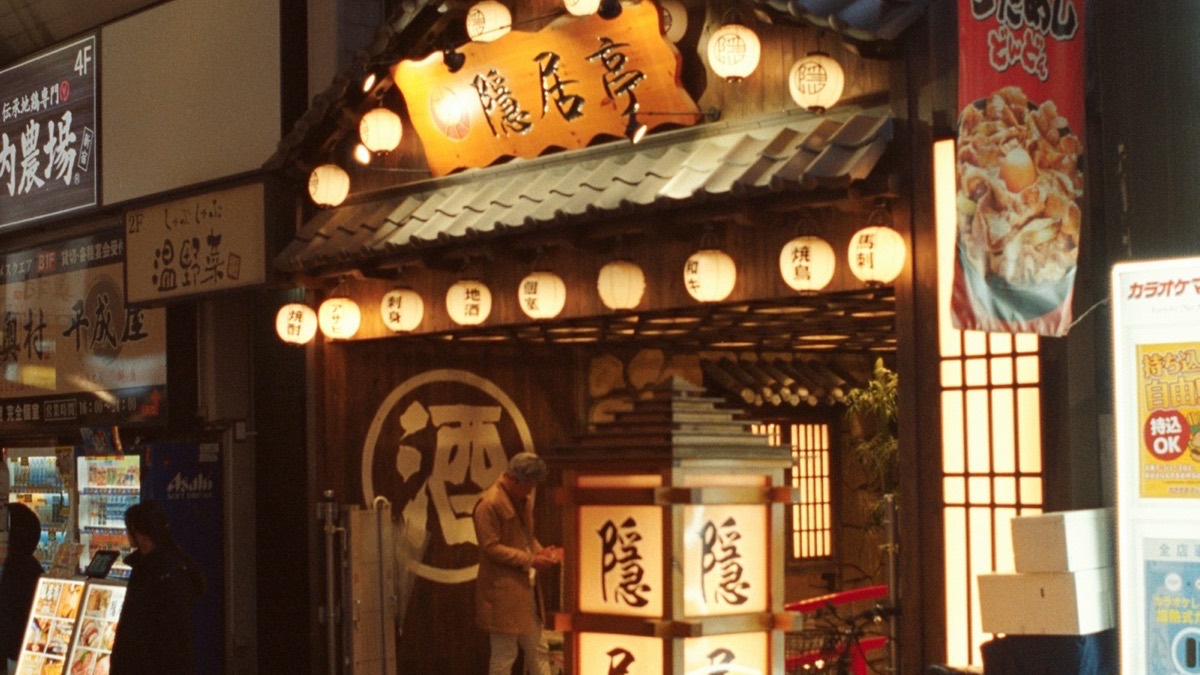
You found the restaurant. The website is in Japanese, there's no booking form, and the only contact is a phone number. This is the most common wall travelers hit in Tokyo — here's how to get around it.
“Please call us” — in Japanese?
We'll make the call in Japanese on your behalf and email you the result. About $7 a call.
We'll call and book it — ≈$7 →First: do you even need a reservation?
Plenty of Tokyo's best eating needs no booking at all. Ramen shops, standing bars, curry counters, and department-store food halls are walk-in by design — you queue, you eat, you leave.
You do need a reservation for sushi counters, kaiseki, popular yakiniku on weekends, anything with a tasting menu, and any restaurant a guidebook made famous. For the top end, think weeks ahead, not days.
Four ways to book
Online platforms (English)
TableCheck, OpenTable Japan, Pocket Concierge and hotel booking widgets have English interfaces and instant confirmation — but only cover restaurants that opted in.
BEST FOR: Hotels, chains, and internationally-minded restaurants.
Your hotel concierge
Free if you're staying there, and a Japanese phone call from a known hotel carries weight. Availability depends on how busy the desk is and how far ahead you ask.
BEST FOR: Guests at mid-range and upscale hotels.
Walk in early
Show up right at opening. Many counters keep a few seats unreserved, and solo diners get squeezed in far more often than groups.
BEST FOR: Ramen, izakaya, solo travelers, flexible timing.
Have someone call in Japanese
The only way into a lot of small, excellent restaurants. Reservation is made in Japanese, with a local number they can call back.
BEST FOR: Sushi counters, kaiseki, small places with no web presence.
Why the phone is still king
Tabelog — the site everyone uses to find restaurants — often lists a phone number and nothing else. Many excellent small places have no reservation system, no English page, and no email. The owner answers the phone between prep and service, and that's the entire booking infrastructure.
Calling yourself is possible but rough: fast Japanese, background kitchen noise, and questions you may not catch — how many people, what time, any allergies, and increasingly “do you have a Japanese phone number?”
What to have ready before any call
Restaurant name and phone number, your preferred date and a backup, the time, party size, the name for the booking, and any allergies or dietary restrictions. Having a second date ready is what turns a “we're full” into a booking.
We call. You eat.
Give us the restaurant, date, time, and party size — Tokyo Concierge places the call in Japanese and emails you the outcome, usually within minutes. 3 calls for $20 (about $7each). If the restaurant can't take you, we'll tell you straight away.
We'll call and book it — ≈$7 →Reservation etiquette that matters
Be on time. At counter restaurants the whole service is timed around your seat. Ten minutes late can mean losing the booking. Tell them about allergies when you book, not when you sit down — many kitchens prep in advance and can't improvise.
Cancel by phone, early. No-shows are taken personally in Japan, and some restaurants charge for them. Don't bring extra people — a counter for four means four.
Frequently asked questions
Can I book Tokyo restaurants without speaking Japanese?
Often yes. Hotel concierges, online platforms with English interfaces, and walk-ins cover most of the city. The gap is the mid-to-high-end places that only take phone reservations in Japanese — that's where you need help.
Do I really need a reservation in Tokyo?
For ramen, izakaya, and most casual spots, no — you queue or walk in. For sushi counters, kaiseki, yakiniku on a weekend, and anything with a chef's counter, yes, and often days or weeks ahead.
Why do some restaurants refuse foreign reservations?
It's usually practical, not personal: no English-speaking staff, no way to reconfirm, and a bad history of no-shows from overseas bookings. Calling in Japanese and giving a local contact point removes most of that friction.
What is a 'seat only' or table charge?
Many izakaya add a small per-person cover charge (otoshi) that comes with a small dish. It's normal, typically a few hundred yen per person, and not a scam.
What happens if I need to cancel?
Cancel as early as you can, by phone. Japanese restaurants take no-shows seriously and some high-end places charge a cancellation fee. A same-day no-show is the one thing that genuinely burns bridges.